
5mm frosted glass price
How to Effectively Turn Off a Water Valve A Comprehensive Guide Water is an essential resource in our daily lives, but situations may arise when it is necessary to turn off the water supply to prevent leaks, undertake repairs, or manage emergencies. Understanding how to turn off your water valve is critical, and this guide will provide comprehensive steps to do so effectively. Understanding Water Valves Before diving into the methods for turning off a water valve, it's important to understand the different types of valves you may encounter in your home. The two primary types are 1. Main Water Valve This valve controls the entire water supply to your home. It is typically located close to where the water line enters your house, often found in the basement or the crawlspace. 2. Individual Fixture Valves These valves are located near specific fixtures, such as sinks, toilets, and washing machines. They allow you to turn off the water supply to a specific area without affecting the rest of the house. When to Turn Off the Water Valve There are several scenarios in which you would need to turn off your water supply. These include - Preventing Flooding If you discover a significant leak, turning off the main valve can help minimize water damage. - Performing Repairs Whether you’re fixing a leaky faucet or replacing a toilet, shutting off the water supply is a crucial safety step. - Winterization In colder months, turning off the valve can prevent pipes from freezing and bursting. turn off water valve Steps to Turn Off the Water Valve 1. Locate the Valve - If you need to turn off the main water valve, look for a round or oval-shaped handle near the point where the water enters your home. The valve may be made of brass, PVC, or steel. - For individual fixture valves, they are usually found directly behind or underneath the fixture. 2. Prepare the Area - Before turning off any valve, clear the area around it. Make sure you have enough space to work, and keep a towel nearby in case of spills. 3. Turn Off the Valve - For a gate valve (which has a round handle), turn the handle clockwise until it stops. This is the traditional way of closing a water valve. - For a ball valve (which has a lever), turn the lever 90 degrees so it is perpendicular to the pipe. This should effectively shut off the water supply. 4. Check for Water Flow - After turning off the valve, turn on a tap at the highest point in your home, such as a bathroom sink. Let it run until it’s clear of water. Then, check a tap at the lowest point, like a basement sink. This process ensures all water pressure is relieved from the pipes. 5. Perform Your Task - Whether you are making repairs, checking for leaks, or winterizing, carry out your task confidently knowing the water is turned off. 6. Turning the Water Back On - Once your work is complete, you can restore the water supply by reversing the steps. Turn the valve counterclockwise for a gate valve or bring the lever back to its original position on a ball valve. Again, check for any leaks after the water supply is restored. Conclusion Knowing how to turn off a water valve can save you from dealing with significant damage and costly repairs. Regular checks and maintenance of your valves can also ensure they function correctly when you need them most. Be sure to familiarize yourself with both your main and individual fixture valves; preparedness is key in managing the waterways of your home! Remember, timely action and proper techniques are essential to maintain the integrity of your plumbing system.
about
5mm frosted glass price
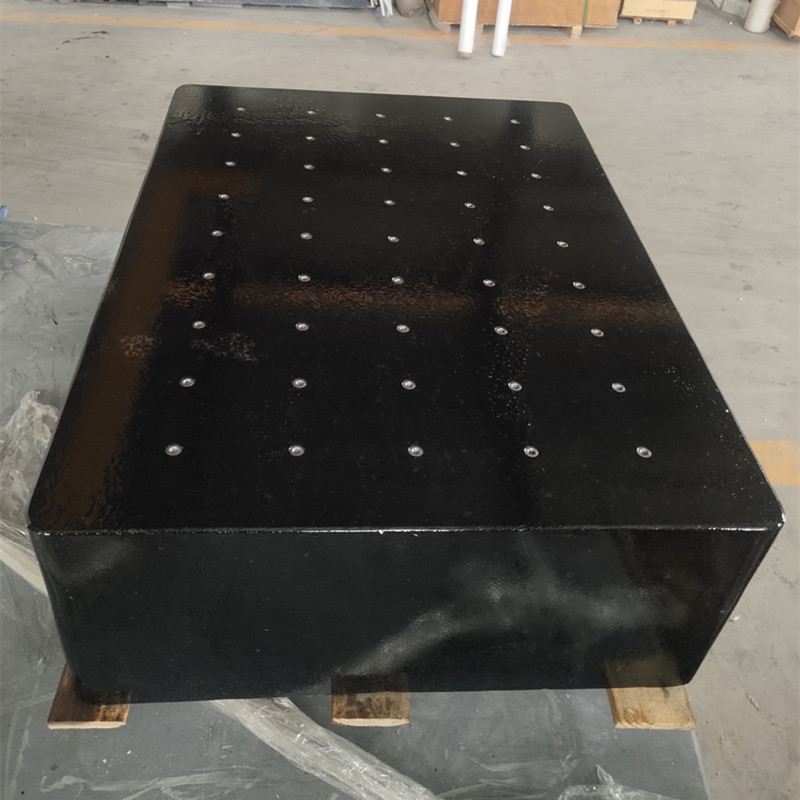
Precision 3D Welding Tables A Game Changer in Modern Fabrication In the ever-evolving landscape of manufacturing and fabrication, precision plays a critical role, especially in processes like welding. The advent of 3D welding tables has revolutionized the industry, offering unparalleled accuracy and efficiency that traditional methods simply cannot match. These innovative tables are designed to enhance productivity while ensuring high-quality welds, making them essential tools for modern fabrication shops. At the core of precision 3D welding tables lies their remarkable ability to initialize and maintain fixed reference points, which are crucial for aligning components accurately. This feature significantly reduces human error, a common issue in manual setups. By utilizing advanced computer-aided design (CAD) systems and integrated measurement tools, these tables ensure that every weld is executed with exactitude, irrespective of the operator's skill level. Precision 3D Welding Tables A Game Changer in Modern Fabrication Furthermore, the design of these tables facilitates efficient workflow. Many come with modular accessories such as clamps and fixtures that allow for quick adjustments and reconfigurations. This modularity not only saves time during the setup process but also allows for simultaneous multi-component fabrication, drastically reducing project turnaround times. precision 3d welding table In addition to their operational benefits, precision 3D welding tables also contribute to cost savings in the long run. By minimizing errors and reducing waste, manufacturers can offer competitive pricing without compromising quality. Moreover, the durability of these tables means fewer replacements and repairs, further lowering operational costs. The integration of technology into these welding tables has also paved the way for smarter manufacturing processes. With built-in sensors and automation capabilities, users can monitor welding parameters in real-time, ensuring that any discrepancies are addressed immediately. This predictive management reduces downtime and enhances overall productivity. As industries continue to adapt to the intricacies of modern manufacturing, the importance of precision in welding cannot be overstated. Precision 3D welding tables epitomize the evolution of fabrication technology, enabling a new standard of quality and efficiency. As these tools become more prevalent, the future of welding looks brighter, with potential advancements paving the way for even more innovative solutions. In conclusion, precision 3D welding tables represent a significant leap forward in the welding domain, merging technology with craftsmanship. By enhancing accuracy, efficiency, and versatility, these tables are set to lead the way in shaping the future of fabrication, ensuring that industries can meet the growing demands of an increasingly competitive marketplace.
-

High quality industrial productsagement

High quality industrial products
View Details -

Meet the diverse needs of customers

Meet the diverse needs of customers
View Details -

Strict quality control

Strict quality control
View Details -

Top raw materials

Top raw materials
View Details -

Trusted supplier

Trusted supplier
View Details
Our application


news and information
valve for sale
Understanding the Importance of Quality Valves for Sale Expert Insights For those heavily invested i
Utilisation du niveau spirituel
L'utilisation du niveau à bulle un outil essentiel pour la précision dans la construction Le niveau
Water Cut Off Valve - Comprehensive Guide and Best Practices
Understanding Water Cut-Off Valves Their Importance and Functionality Water cut-off valves are essen
 English